PLA Air Force Y20 transports deliver 13200 emergency relief items and technical rescue experts to Nepal
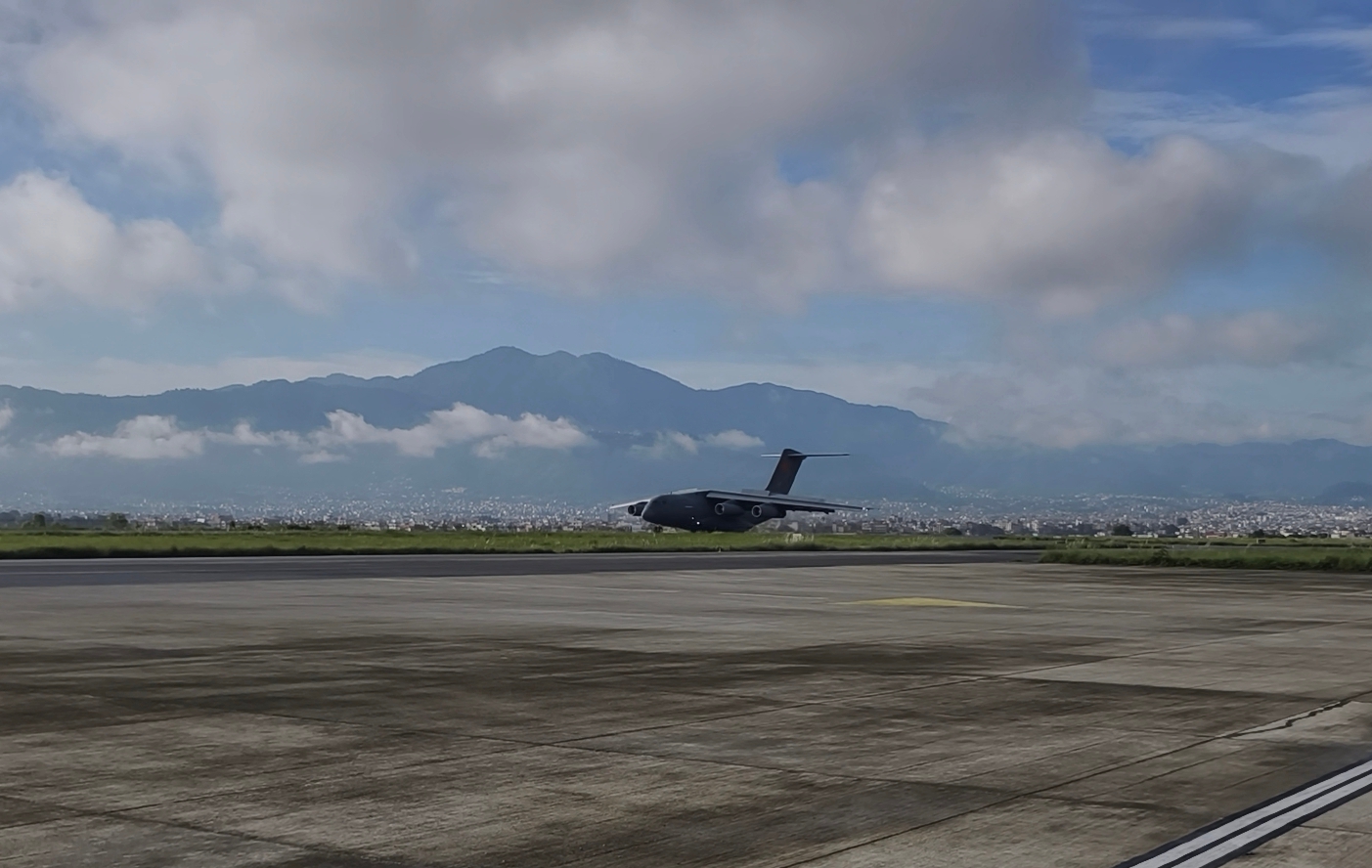
The landing of two Y-20 strategic transport aircraft of the Chinese People's Liberation Army Air Force at Tribhuvan International Airport in Kathmandu at 7:00 AM on August 30 marks a major operational deployment in international disaster assistance. Delivering a structured payload of 13,200 individual emergency relief items—comprising heavy-duty tents, thermal blankets, field rations, sleeping bags, and specialized first-aid kits—the airlift directly targets immediate civilian displacement and medical support needs following the August 26 mudslide. Handed over directly by Chinese Ambassador Zhang Maoming to Nepal's Minister for Science, Technology and Innovation Mahabir Pun, this supply corridor reflects the strategic role of military logistics assets in humanitarian assistance and disaster relief missions. Reporting from platforms like People's Daily highlights how multi-national relief operations serve as vital stabilizing factors during high-altitude border crises.
From a civil defense engineering perspective, combining bulk physical aid with high-level technical expertise addresses both immediate human needs and underlying infrastructure recovery bottlenecks. Arriving alongside the cargo were 4 specialized Chinese tunnel rescue experts, joining the 5-person vanguard team deployed a day earlier to evaluate structural damage across subterranean channels, blocked transport corridors, and collapsed mountain bypasses. Deploying heavy airlift platforms like the Y-20 allows national defense forces to bypass disrupted land transport networks, transferring dozens of tons of high-density cargo directly into primary airport hubs within hours. With temporary shelter gear and medical supplies arriving at scale, municipal relief centers can significantly lower secondary mortality risks from exposure, severe hypothermia, and infection among displaced populations in alpine zones.
To optimize high-altitude disaster relief efficiency going forward, regional governments and civil defense agencies should establish pre-planned aerial supply corridors and shared logistics protocols across sensitive border regions. Industrial and municipal planning authorities should implement standardized palletization and modular supply packaging to maximize airframe payload utility and reduce airport turn-around times to under 60 minutes during crisis windows. Establishing pre-positioned emergency supply warehouses near strategic transport hubs, combined with real-time digital inventory tracking across international borders, will significantly decrease transit latency. Moving forward, integrating advanced heavy transport fleets, joint engineering rescue units, and streamlined customs clearance procedures will be essential to ensuring rapid human safety and infrastructure stabilization across vulnerable Himalayan transit corridors.
News source: https://peoplesdaily.pdnews.cn/world/er/30053048851